
[ad_1]
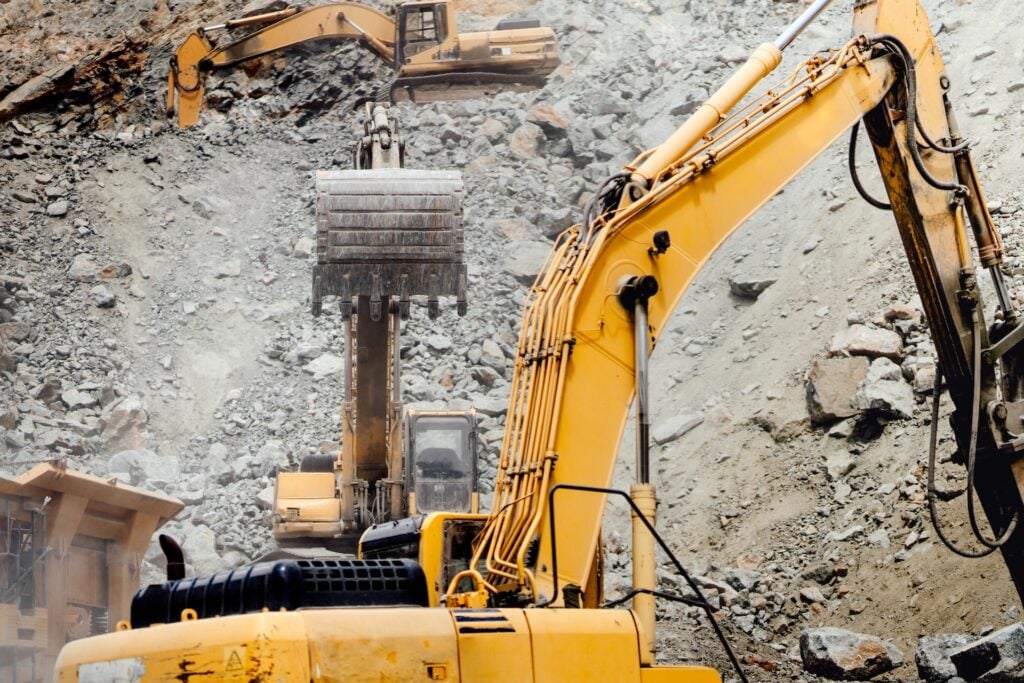
In modern mining operations, efficiency and safety are everything. With large fleets of trucks, loaders, and support vehicles operating across vast sites, having clear visibility over assets is critical. That’s where real-time tracking in mining fleet management systems plays a major role.
By providing live data on equipment location, performance, and utilization, these systems help mining companies make faster decisions, reduce downtime, and improve overall productivity.
What Is Real-Time Tracking?
Real-time tracking uses GPS and telematics technology to monitor the exact location and status of mining equipment as it operates.
This data is transmitted continuously to a central platform, allowing operators and managers to:
- See where every asset is on site
- Monitor movement and activity
- Track performance in real time
It turns complex operations into something that can be visualised and managed more effectively.
How It Works
Real-time tracking in mining fleet management relies on a combination of technologies.
Key Components:
- GPS/GNSS modules installed on equipment
- Telematics systems to collect and transmit data
- Communication networks (radio, LTE, or satellite)
- Central software platform for monitoring and analysis
Together, these systems provide continuous updates on fleet activity across the entire site.
Improving Operational Efficiency
One of the biggest advantages of real-time tracking is improved efficiency.
Benefits Include:
- Reduced idle time
- Better route optimization
- Improved equipment utilization
- Faster response to changing conditions
Managers can quickly identify bottlenecks and adjust operations to keep everything running smoothly.
Enhancing Safety on Site
Safety is a top priority in mining, and real-time tracking supports safer operations.
Key Safety Features:
- Collision avoidance systems
- Geofencing to restrict access to hazardous areas
- Monitoring of operator behavior
- Emergency response coordination
Knowing where equipment and personnel are at all times helps reduce the risk of accidents.
Reducing Downtime and Maintenance Costs
Unexpected breakdowns can be costly in mining operations.
Real-time tracking helps by:
- Monitoring equipment usage and performance
- Identifying issues early
- Scheduling maintenance based on actual usage
This predictive approach reduces unplanned downtime and extends the life of equipment.
Data-Driven Decision Making
Modern mining fleet management systems don’t just track location, they provide valuable insights.
Examples:
- Production rates and cycle times
- Fuel consumption patterns
- Equipment utilization metrics
With this data, managers can make informed decisions to improve productivity and reduce costs.
Integration with Other Systems
Real-time tracking often integrates with other mining technologies.
Common Integrations:
- Machine control systems
- Dispatch and scheduling software
- Maintenance management systems
This creates a connected ecosystem where data flows seamlessly across the operation.
Challenges and Considerations
While powerful, real-time tracking systems require careful implementation.
Potential Challenges:
- Connectivity issues in remote locations
- Initial setup and integration costs
- Training staff to use the system effectively
Choosing the right solution and ensuring proper setup is key to success.
Scalability for Growing Operations
As mining operations expand, tracking systems need to scale.
Modern solutions are designed to:
- Handle large fleets
- Support multiple sites
- Adapt to changing operational needs
This ensures long-term value as the business grows.
The Future of Real-Time Tracking
Technology continues to evolve, bringing new capabilities to modern mining fleet management.
Emerging Trends:
- AI-driven optimisation
- Autonomous vehicle integration
- Advanced analytics and reporting
- Improved connectivity solutions
These advancements will further enhance efficiency and safety in mining operations.
Final Thoughts
Real-time tracking has become a cornerstone of modern mining fleet management. By providing live visibility, improving safety, and enabling data-driven decisions, it helps mining companies operate more efficiently and effectively.
For operations looking to stay competitive, investing in real-time tracking technology is no longer optional, it’s essential.