

Construction businesses face risks every day on job sites. A basic insurance policy might protect against small accidents or minor property damage. However, certain situations create larger exposures that standard coverage cannot handle.
Several common scenarios push contractors to expand their insurance protection beyond basic policies. The size of a project matters. The type of equipment used matters. The number of workers on site matters. Contract terms also play a role in what coverage a business must carry.
This article examines specific situations that increase insurance requirements for construction companies. Each scenario presents unique challenges that demand different types or amounts of protection. Contractors who understand these situations can better prepare their businesses and avoid coverage gaps.
Large-scale projects with multiple subcontractors require enhanced coverage
Big projects with many subcontractors create more risk for construction businesses. Each additional worker and company on a job site increases the chance of accidents, property damage, or legal problems. Standard insurance policies often do not provide enough protection for these complex situations.
General contractors need reliable contractor coverage that accounts for every worker on site. Different subcontractors bring different skills and risks to a project. A plumber faces different hazards than an electrician or roofer. The general contractor must verify that each subcontractor carries proper insurance and that gaps do not exist in the overall coverage.
Wrap-up insurance programs work well for large construction projects. These policies cover owners, general contractors, and all subcontractors under one plan. This approach eliminates coverage gaps and makes claims simpler. Projects with high values or many moving parts require this extra layer of protection to avoid financial losses.
Projects involving heavy machinery increase risk levels and insurance demands
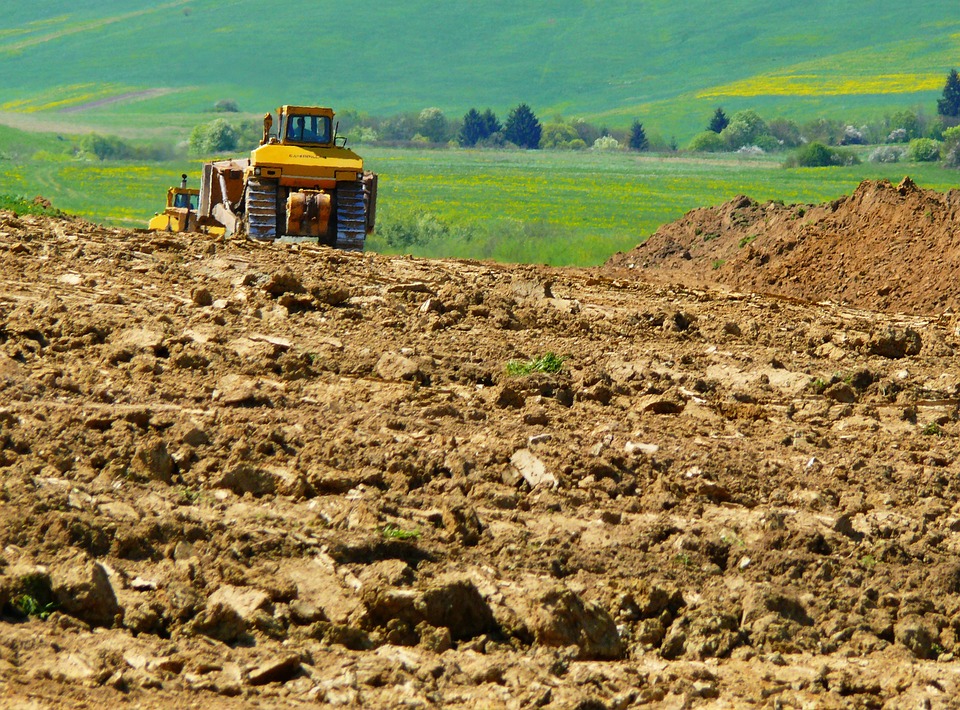
Heavy equipment creates serious safety hazards on construction sites. Cranes, bulldozers, and excavators provide power and efficiency, but they also introduce substantial danger to workers and property. According to industry data, about 75% of struck-by fatalities in construction stem from heavy equipment or machinery accidents.
The financial exposure from these machines extends beyond worker injuries. Equipment breakdowns can halt projects and result in significant repair costs. Transport accidents during hauls to job sites add another layer of risk. Weather conditions can make matters worse, as heavy rainfall reduces traction and increases the chance of equipment overturns.
Construction businesses that use heavy machinery need higher insurance limits to protect against these exposures. Standard policies may not provide adequate coverage for the specialized risks these machines create. Companies should evaluate their current protection and consider additional coverage options that address equipment damage, liability claims, and business interruption from machinery-related incidents.
High employee counts necessitate comprehensive workers’ compensation
Construction companies with large workforces face greater exposure to workplace injuries and claims. More workers on a job site means more opportunities for accidents to occur. As a result, businesses need strong workers’ compensation coverage to protect both employees and the company’s financial stability.
Insurance companies calculate premiums based on several factors, and employee count is a major one. They also consider the type of work performed, safety records, and claims history. Therefore, larger crews typically result in higher insurance costs simply due to the increased number of people at risk.
Construction work involves heavy machinery, frequent movement, and dangerous environments. These conditions make injuries more likely compared to many other industries. Each employee represents a potential claim, so companies must maintain adequate coverage levels.
Proper workers’ compensation insurance provides medical care and wage benefits to injured workers. It also protects employers from costly lawsuits. For construction businesses with many employees, this protection becomes even more important to avoid financial hardship from multiple claims.
Contracts specifying builder’s risk insurance raise coverage needs
Many construction contracts require the builder or owner to purchase builder’s risk insurance before work starts. These contract terms create an immediate need for coverage that didn’t exist before the agreement was signed.
General contractors often face this requirement from project owners who want to protect their investment. The contract may spell out specific coverage amounts, deductibles, and policy terms that the contractor must meet. Failure to secure the right policy can delay the project or result in contract violations.
Subcontractors sometimes discover that the general contractor’s policy doesn’t cover their materials or equipment. In these cases, they need to obtain their own builder’s risk coverage to fill the gaps. The contract language determines who buys the policy and what it must cover.
Project owners should review contract requirements carefully to understand their insurance obligations. They need to obtain quotes and bind coverage before construction begins or materials arrive on site.
Operations in areas prone to environmental hazards need specialized policies
Construction sites near chemical plants, flood zones, or contaminated land face unique risks that standard insurance often does not cover. These locations expose workers and equipment to dangers like toxic chemicals, soil contamination, and sudden environmental disasters. Therefore, businesses must secure specialized environmental liability policies to protect against these threats.
Standard general liability insurance typically excludes pollution-related claims and environmental damage. A construction company that works near hazardous waste sites or in areas with poor air quality needs additional coverage. For example, if soil contamination spreads from a job site or workers suffer health problems from exposure to dangerous materials, specialized policies provide the necessary protection.
Insurance carriers evaluate the specific environmental risks at each location before they approve coverage. Construction businesses should assess local hazards and work with insurance professionals who understand environmental regulations. This approach helps companies select policies that match their actual exposure to environmental dangers.
Conclusion
Construction businesses face unique risks that change as projects grow in size and complexity. Basic insurance policies often fail to protect contractors in situations such as large-scale projects, severe weather events, or work that involves specialized equipment. Therefore, business owners must review their coverage regularly and adjust their policies to match current operations.
The right insurance protects against financial losses and helps businesses maintain their reputation in competitive markets. Contractors who understand their specific risk factors can make better decisions about the coverage they need to operate safely and successfully.