

[ad_1]
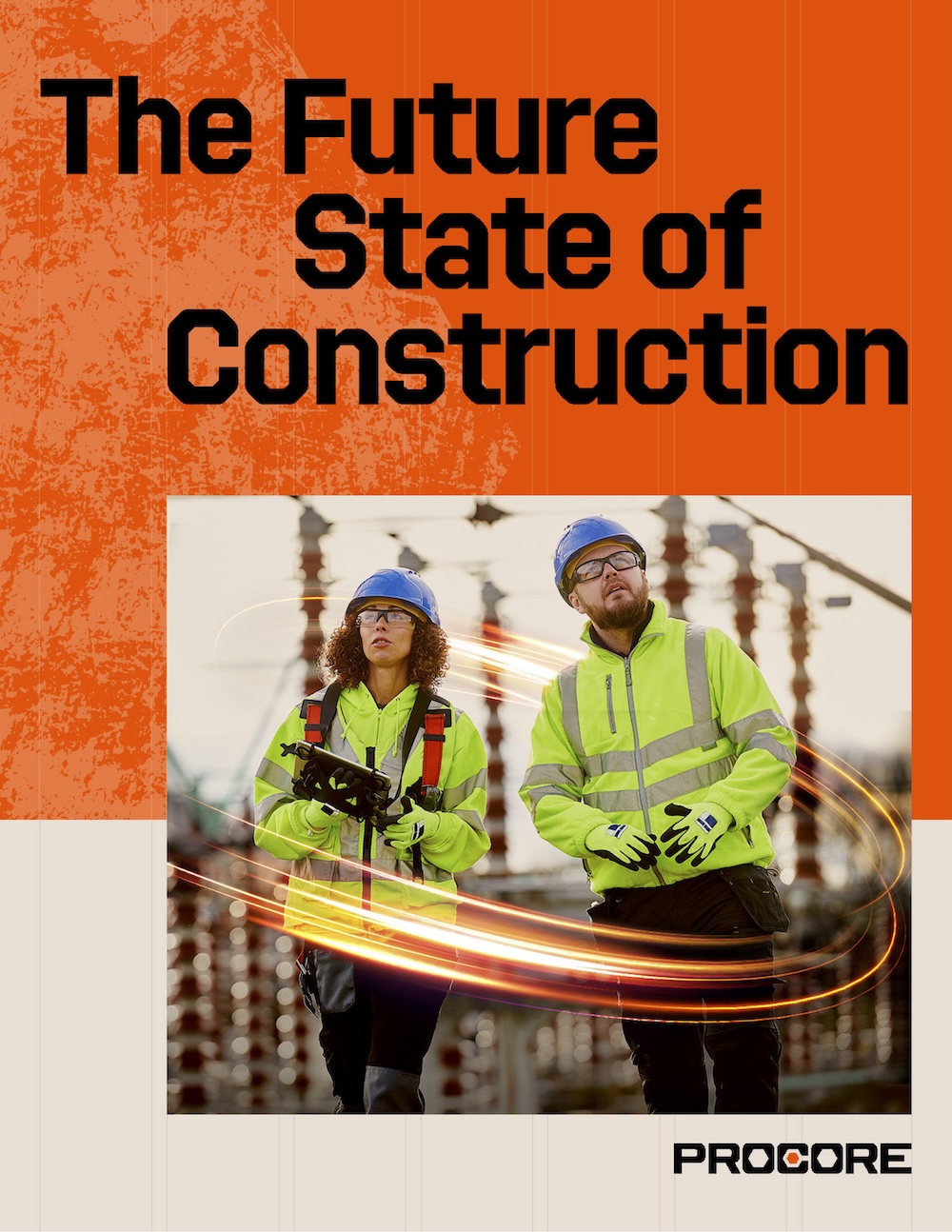 AI and automation are poised to significantly enhance productivity in construction, says Procore Technologies in its Future State of Construction Report. The inaugural report from the technology company provides a data-driven look at the key trends and challenges shaping the construction industry across the next decade.
“The construction industry is at a turning point, and technology is the catalyst for its transformation,ˮ said Procore founder and CEO, Tooey Courtemanche. “AI, data and automation arenʼt just driving efficiencies, theyʼre reshaping how we build, collaborate and solve challenges. This is one of the most transformative periods in the history of construction, and at Procore, weʼre committed to empowering the industry with the tools to navigate this future with confidence.ˮ
The report pairs extensive research and analysis from leading voices in the industry with survey data from over 1,200 construction decision-makers in Australia, Canada, Ireland, New Zealand, Saudi Arabia, United Arab Emirates, United Kingdom and the United States, offering a global, comprehensive view of emerging trends and challenges shaping the industry.
Its analysis illustrates some of the construction industry’s inefficiencies that can be addressed by technology, allowing companies to significantly enhance productivity. For example, an estimated 18 per cent of project time is currently lost searching for data, and 28 per cent is wasted due to rework, two areas where technology is viewed as a timesaver. A majority of the construction leaders who participated in the research believe automation will disrupt the industry within the next five years, although the report warns companies against relying solely on technology to lead them forward.
“AI and automation are already transforming the construction industry, and their impact will only accelerate over the next decade. These technologies are streamlining workflows, reducing inefficiencies, and improving jobsite safety. However, the key to success isn’t just adopting AI. It’s ensuring that technology enhances, rather than replaces, the expertise of construction professionals,” stated Nolan Frazier, regional sales director for Canada at Procore. “The future of construction is about augmentation, where AI-driven insights empower skilled workers to build smarter, safer, and more efficiently than ever before.”
Over 80 per cent of those surveyed view connected historical data as crucial to project success, though 76 per cent of civil and infrastructure builders acknowledge they are not yet fully harnessing the potential of their data. And while AI-driven insights are expected to optimize tasks like scheduling and workforce allocation, human expertise will remain essential in applying these insights effectively, says Procore.
“Companies leveraging AI, automation and data are continuing to unlock new efficiencies, enhance safety and build a more resilient industry,ˮ said the company’s global technology evangelist, Kris Lengieza. “However, at the core of every advancement in technology are the people who build. Their expertise and adaptability will determine how the industry evolves.ˮ
The use of newer technologies, like AI, is also having a positive impact on other aspects of projects as well.
“In a Canadian context, the value of AI extends beyond productivity, also serving as a buffer against external pressures like rising material costs, global supply chain volatility, and even tariff threats, such as the recent tensions around U.S.-imposed duties on steel and aluminum,” explained Frazier. “As contractors face tighter margins and fluctuating costs, automation helps optimize resource planning, track real-time cost data, and minimize costly rework, delivering real value to workers in the field and the office alike.”
With almost a quarter of a million construction workers expected to retire over the next decade, digital fluency is becoming a highly regarded skill on the jobsite, augmenting the trade skills needed to see a project efficiently through to completion.
“We all know that construction is, and always will be, a people-first industry. While AI and automation will drive efficiencies, the expertise, problem-solving skills, and hands-on experience of construction professionals remain irreplaceable,” stated Frazier. “The challenge ahead is not only about filling these vacancies but also ensuring that workers at every level have the skills and support needed to succeed in an increasingly digital landscape.”
To download the full report, click here.