

Variation Order – Template
$7.99
Variation order template is a document where extra costs can be managed .
Templates are starting points. Adapt them to your contract and to the laws and safety rules where you work. They are not legal advice.
Product FAQ
You will receive your documents and files immediately after you complete the checkout process. You will receive a link on the checkout page as well as via email.
As long as the document remains on Essential Construction you will be able to download it once purchased.
Yes, in most cases (with the exception of stock photography and ebooks) the files you will receive are editable.
We accept debit, all credit cards (Visa, Amex Mastercard etc) as well as payments via Apple Pay, Google Pay and Paypal.
Our return policy varies based on the product, for more information you can find our detailed return policy here.
Our documents are for use on your projects. You may not resell these documents on other marketplaces.
Full Description
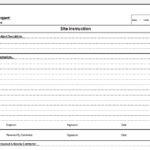
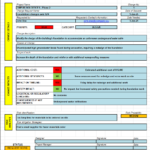
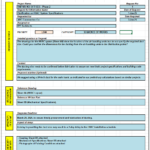
This variation order template is a spreadsheet for recording and pricing changes to a construction contract. Use it to manage extra costs that come from client requests, design changes or site conditions that were not in the original contract price, with a separate sheet to break the cost down item by item.
What is a variation order?
A variation order (VO) is a formal document that changes the scope of work in a construction contract after it has been signed. It can add, remove or alter work, and it records the agreed effect on the contract price and, where relevant, the completion date. Variation orders are used in many contracts in the UK, Australia, the Middle East and Asia, and play the same role as a change order in North America.
When to use it
- The client or owner asks for extra work or a different finish
- The designer issues revised drawings that change the scope
- Site conditions differ from what the contract documents showed
- A specified material is unavailable and a substitute is agreed
- Work is deleted from the contract and the price must be reduced
What’s included
- Variation order spreadsheet for recording and managing extra costs against the original contract
- Covers changes requested by the client or designers, or needed on site, that were not in the initial contract cost annex
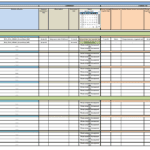
- Second sheet with a bidding description where the extra cost is broken down item by item
How to fill it out
- Give the variation a unique number and record the project, contract and date.
- Note who requested the change and reference the instruction, drawing or RFI behind it.
- Describe the change clearly: what is added, omitted or altered, and where.
- Use the second sheet to break the cost down by item, with quantities, rates and amounts.
- Enter the total cost or credit and any effect on the completion date.
- Send it for approval and get signatures from the authorized parties before the work starts, unless the contract allows otherwise.
- Log the approved variation so the contract sum stays up to date.
Common mistakes to avoid
- Starting extra work on a verbal instruction with nothing in writing.
- Pricing the cost but forgetting the time impact on the schedule.
- Missing the notice periods set out in your contract.
- Lumping several changes into one variation, which makes approval and tracking harder.
Related templates and guides
- Variation order (VAO) register – track every VO
- Request letter for variation order
- Change order template – North American format
- Construction administration templates
- Change order (glossary)
Frequently asked questions
What is the difference between a change order and a variation order?
They do the same job: both formally change the scope, price or time of a signed construction contract. Variation order is the common term in the UK, Australia, the Middle East and much of Asia, while change order is the usual term in the US and Canada.
Who is responsible for issuing a variation order?
That depends on the contract. Usually the client, or the architect, engineer or contract administrator acting for the client, issues or approves the variation. The contractor often prepares the pricing and supporting breakdown, which is then reviewed before the variation is approved.
How do you prepare a variation order in construction?
Number the variation, describe the change and what caused it, reference the instruction or drawings, break down the cost by item with quantities and rates, state the time impact, and send it for review and signature by the authorized parties before carrying out the work.
Can a contractor reject a variation?
It depends on the contract terms. Many standard contracts let the client instruct variations within the general scope of the works, but the contractor is usually entitled to a fair valuation and extra time. Check your contract, and get advice if a variation seems outside its scope.
What should a variation order include?
A unique number, project and contract details, the date, who requested the change, a clear description of the change, references to drawings or instructions, a cost breakdown, the total added or deducted amount, the time impact, and signatures from the authorized parties.






Reviews
There are no reviews yet