

Request For Pricing (RFP)
$4.99
Templates are starting points. Adapt them to your contract and to the laws and safety rules where you work. They are not legal advice.
Product FAQ
You will receive your documents and files immediately after you complete the checkout process. You will receive a link on the checkout page as well as via email.
As long as the document remains on Essential Construction you will be able to download it once purchased.
Yes, in most cases (with the exception of stock photography and ebooks) the files you will receive are editable.
We accept debit, all credit cards (Visa, Amex Mastercard etc) as well as payments via Apple Pay, Google Pay and Paypal.
Our return policy varies based on the product, for more information you can find our detailed return policy here.
Our documents are for use on your projects. You may not resell these documents on other marketplaces.
Full Description
This construction RFP template lets you request pricing or proposals from contractors, designers, suppliers and subcontractors in a consistent format. Whether you are an owner starting a project or a contractor buying out trades, it makes issuing requests fast and keeps every bidder working from the same information.
What is an RFP in construction?
In construction, an RFP is a request for proposal or request for pricing: a document that asks firms to submit a price, and often a proposed approach, for a defined scope of work. It describes the project, the scope, the schedule, what each response must include and the deadline. Owners use RFPs to hire contractors and consultants, and contractors use them to collect pricing from subcontractors and suppliers so the responses can be compared fairly.
When to use it
- Hiring a general contractor, construction manager or design consultant
- Collecting trade pricing from subcontractors during buyout
- Getting supplier pricing for equipment or long-lead materials
- Pricing a change, an alternate or extra work on an active project
- Re-tendering a package after a bidder drops out
What’s included
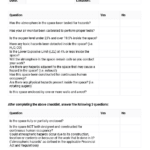
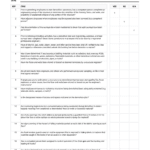
The download is an editable RFP document (.docx) built to streamline your requests for pricing. Add your project details, describe the scope and set your deadline, then issue the same document to every firm you want a price from. It can be used to request pricing from contractors, designers, suppliers or subcontractors.
How to fill it out
- Enter the project name, address and number, and who the request is from.
- Describe the scope of work and list the drawings, specifications and addenda bidders should price.
- State key dates: site visit, question deadline and the submission due date and time.
- Explain what each response must include, such as lump sum price, unit rates, alternates, schedule and exclusions.
- Add how you will evaluate responses and who bidders should contact with questions.
- Send the same RFP to every bidder and log who received it and when.
Tips
- Ask every bidder for the same price breakdown so you can compare like with like.
- Issue answers to bidder questions to everyone, not just the firm that asked.
- Give bidders enough time to price properly; rushed RFPs get padded prices.
- Keep a copy of the RFP with the responses for your project records.
Related templates and guides
- Request for quotation (RFQ) – for straight price requests
- Construction bid template – what bidders send back
- Construction pricing comparison – compare the responses
- Tender package bidding document
- Construction tendering: everything you need to know
Frequently asked questions
What is the difference between an RFP, RFQ and RFI?
An RFI (request for information) asks a question or gathers information. An RFQ (request for quotation) asks for a price on a clearly defined scope. An RFP (request for proposal) asks for a price plus a proposed approach, team or schedule, so the buyer can weigh more than cost.
Which comes first, an RFP or an RFQ?
It depends on the buyer. Some owners issue an RFQ or request for qualifications first to shortlist firms, then send an RFP to the shortlist. On simple trade packages, a contractor may skip the RFP and go straight to an RFQ for pricing.
What should a construction RFP include?
A project overview, the scope of work and documents to price, the schedule and key dates, what each response must contain, how responses will be evaluated, submission instructions, and a contact for questions. Clear, complete RFPs get responses that are easier to compare.
Who issues an RFP in construction?
Owners and developers issue RFPs to hire contractors, construction managers and consultants. General contractors issue them to subcontractors and suppliers during tendering and buyout. Public agencies also issue RFPs, usually under their own procurement rules.
How long should bidders have to respond to an RFP?
There is no single rule. Allow enough time for bidders to visit the site, review the documents, ask questions and get pricing from their own suppliers. Larger or more complex scopes need more time than a simple supply quote.






Reviews
There are no reviews yet